
Science that opens new markets for nature
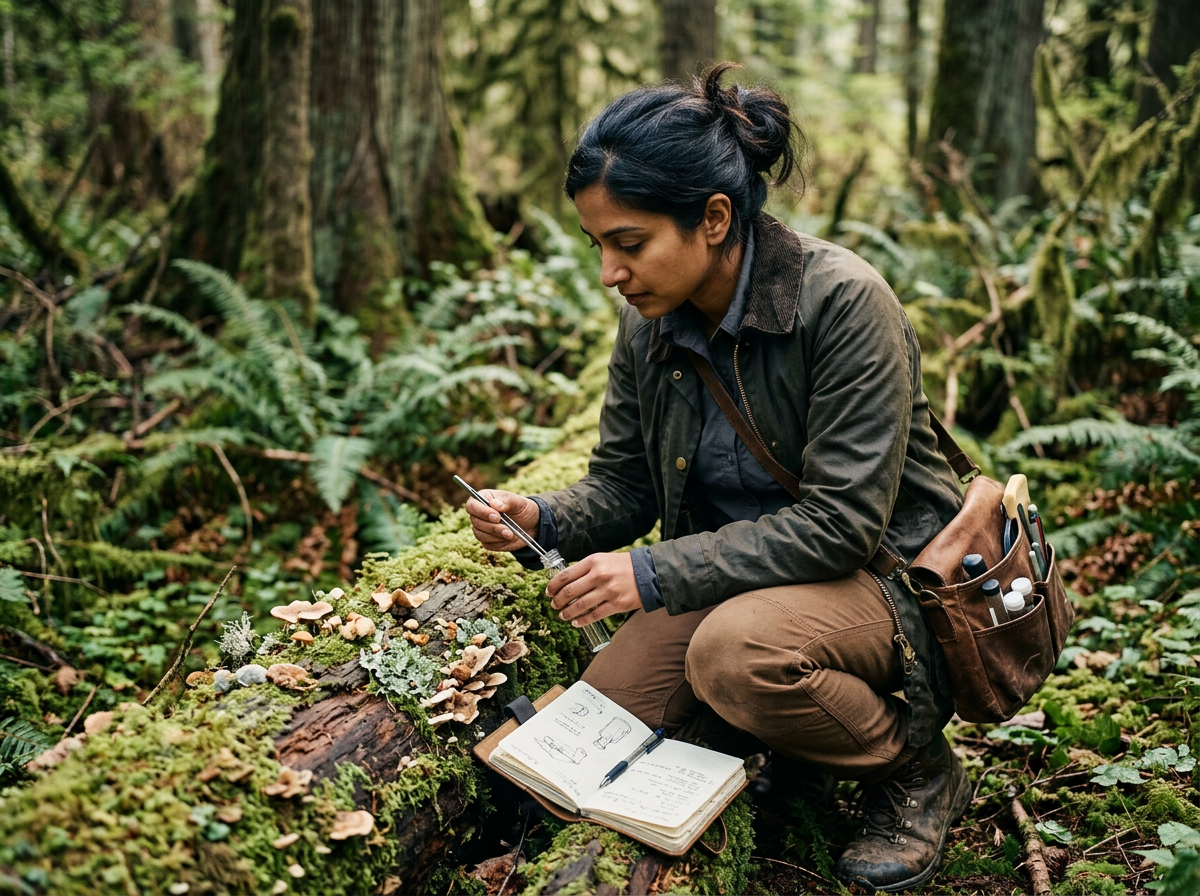
Social Carbon develops the science, methodologies and market mechanisms that turn underserved nature opportunities into credible, financeable assets.
Our innovation is designed to open pathways for billions of dollars of investment into nature — reaching projects, ecosystems and communities that existing approaches often struggle to serve. We develop new solutions within established carbon markets, while also creating new routes for biodiversity, value chains and wider nature outcomes.

1. Creating methodologies for underserved nature opportunities
Nature markets can only finance what they can credibly measure. Social Carbon develops methodologies where existing approaches are absent, unsuitable or fail to reflect what is happening on the ground.
Our methodology portfolio spans regenerative agriculture and soil carbon, avoided deforestation, forest conservation, afforestation, reforestation and revegetation, mangrove restoration, peatland restoration, private conservation areas, agricultural methane, Spekboom restoration and the treatment of harmful algal blooms.
Three examples show how scientific innovation can open opportunities that conventional approaches have struggled to serve:
-
Smallholders can be critical custodians of forests but have often struggled to access carbon finance. SCM0011 combines robust GHG accounting and dynamic regional baselines with a Livelihood Vulnerability Index, allowing the climate benefits of avoided deforestation on smallholder land to be quantified while connecting incentives with sustainable livelihoods.
-
Soil carbon outcomes vary significantly by soil, climate and farming system. The latest SCM0005 moves away from assuming that particular activities automatically deliver predetermined results, placing data, scientific evidence and measured outcomes at the centre of project design and monitoring. It introduces flux-based monitoring, stronger soil sampling and ongoing scientific research.
-
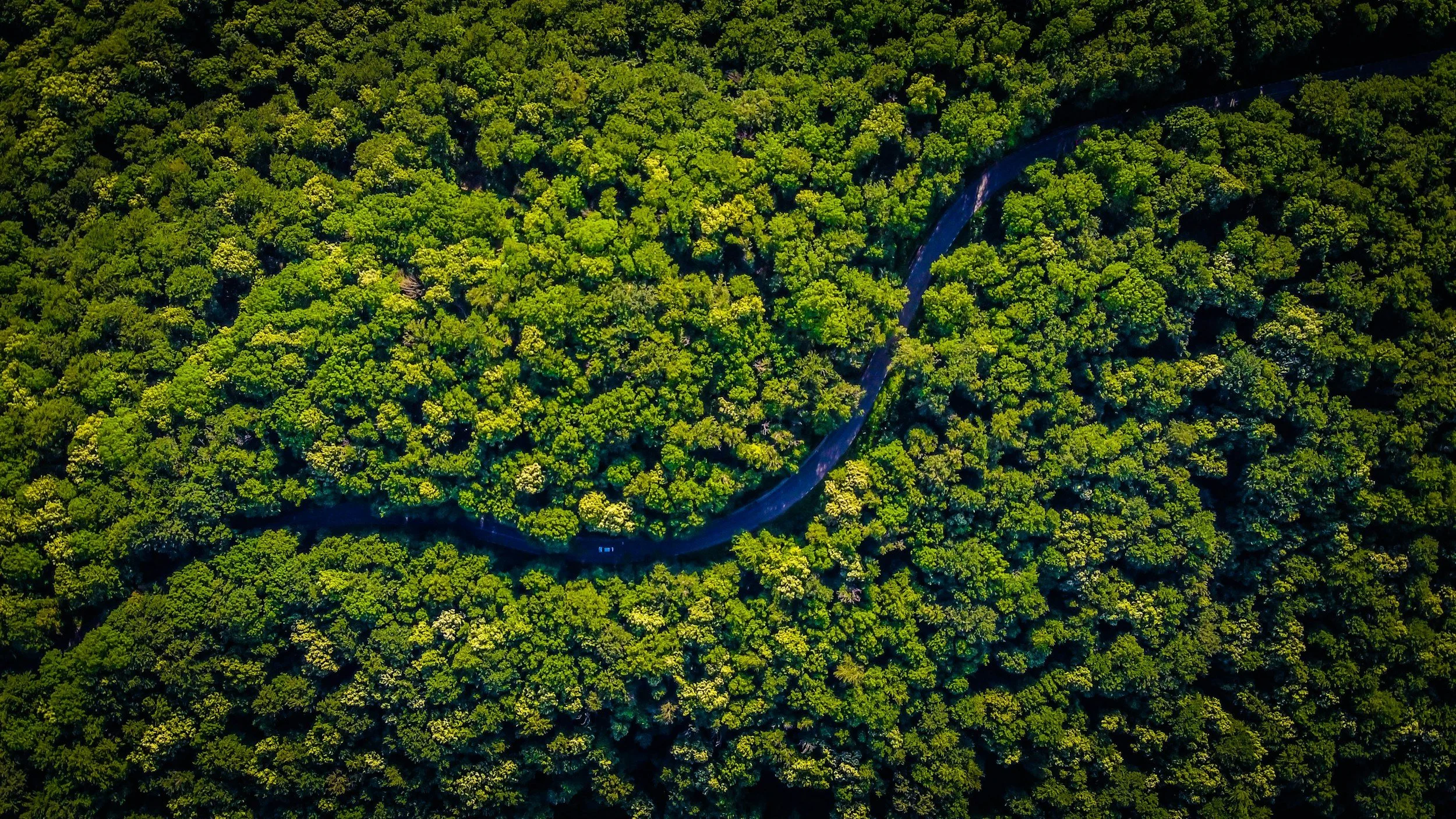
Important ecosystems with relatively low immediate deforestation risk can struggle to qualify for conventional carbon finance. SCM0006 creates a mechanism to quantify conservative carbon removals from protecting habitats of significant biodiversity or ecosystem value, alongside biodiversity monitoring and community engagement.
2. Creating new markets for nature
Our innovation goes beyond methodologies within existing markets. We are developing new mechanisms through which nature can be valued and financed.
These innovations sit within Nature³, which brings Offsetting, Insetting and Nature Stewardship into one integrated Standard and allows projects greater flexibility to combine or transition between different pathways.
The result: new sources of finance for nature, more options for project developers, and credible ways for companies and investors to support outcomes beyond conventional carbon markets.
-
Nature Stewardship creates a route to finance biodiversity, socio-economic and governance outcomes from conservation and restoration — independently of, or alongside, carbon. The Nature Stewardship Framework measures these outcomes through a science-backed structure and enables verified projects to generate Nature Stewardship Credits
-
Supply-chain insetting creates a credible pathway for companies to invest directly in the landscapes and agricultural systems within their value chains. The Social Carbon Insetting Framework provides procedures for quantifying Scope 3 interventions and works with existing Social Carbon methodologies.

3. Connecting nature rather than creating new silos
Nature does not operate as separate carbon, biodiversity and livelihood systems — and our science is designed accordingly.
Shared approaches to science and measurement enable projects to connect different nature pathways and sources of finance.
For projects, this can increase resilience and improve long-term viability. For companies and investors, it creates a more coherent way to support multiple outcomes. For nature markets, it helps move beyond fragmented environmental products towards systems that recognise the interconnected value nature provides.
4. Measuring what matters
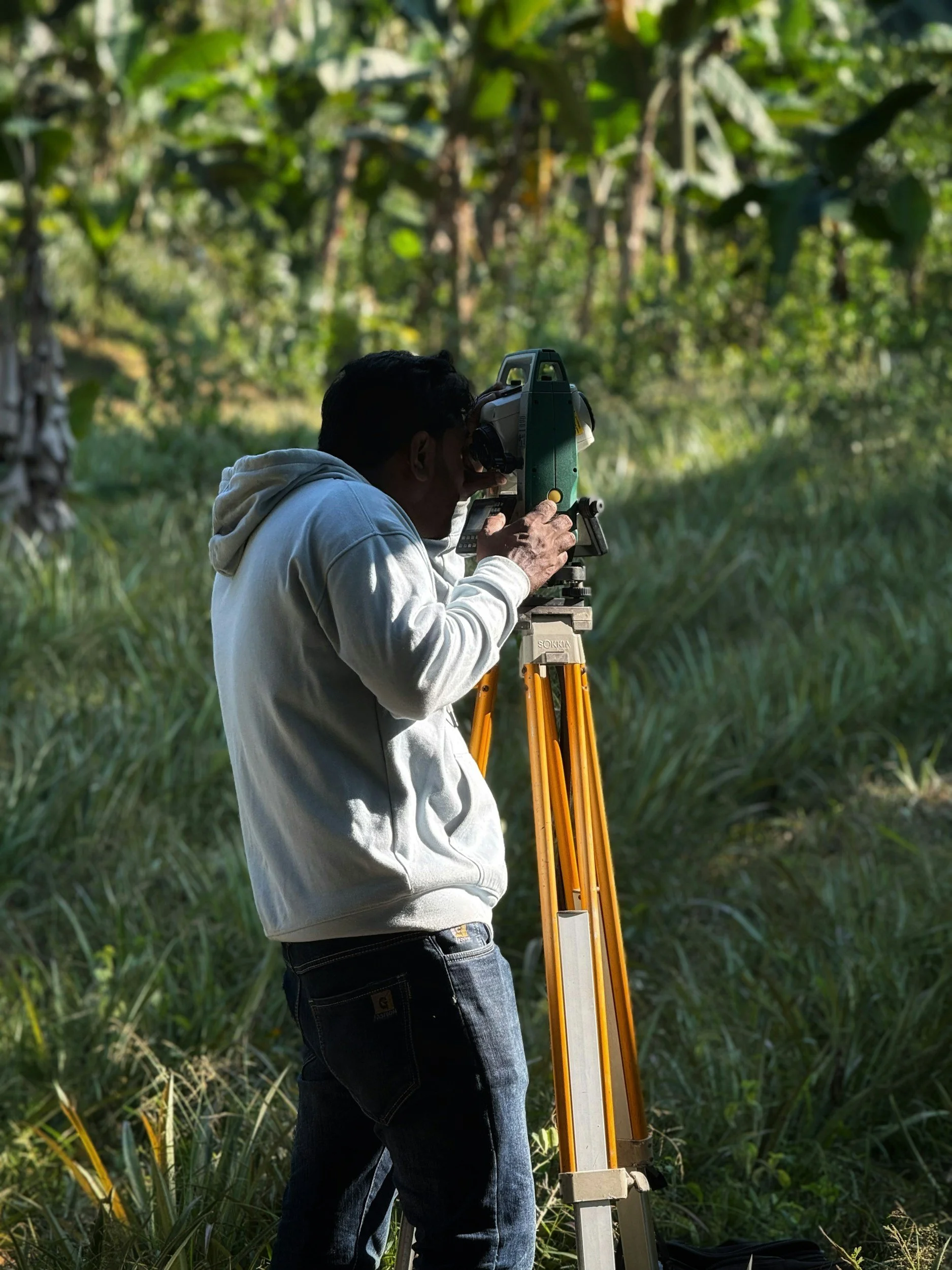
Social Carbon measures impact across carbon, biodiversity, natural, human, social and financial dimensions, embedding the Sustainable Livelihoods Approach into project design and assessment.
That helps projects understand whether change will endure, gives communities greater visibility over outcomes that matter to them, and gives funders greater confidence that environmental gains are supported by the social and economic conditions needed to sustain them.
Creating what nature markets need next
Some of the most important opportunities for nature do not fit neatly within today's markets.
Social Carbon works at this frontier — developing new methodologies, scientific approaches and market mechanisms, and working with organisations creating new nature projects, products and solutions that require credible science, measurement and a route to scale.
If you are developing something that could unlock significant new value for nature, climate or communities, we would like to hear from you.